How do I find the right golf professional for my company?
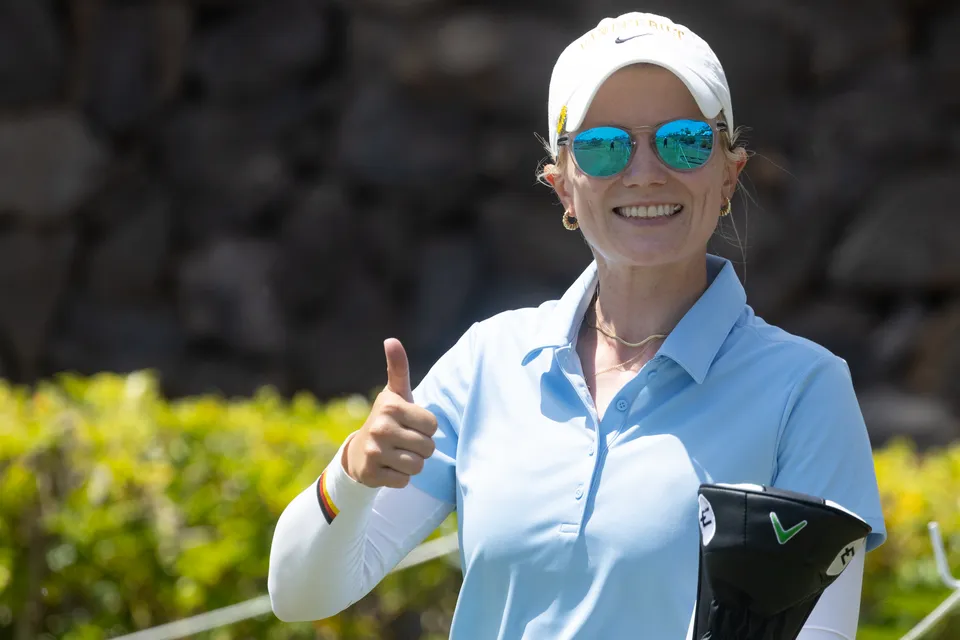
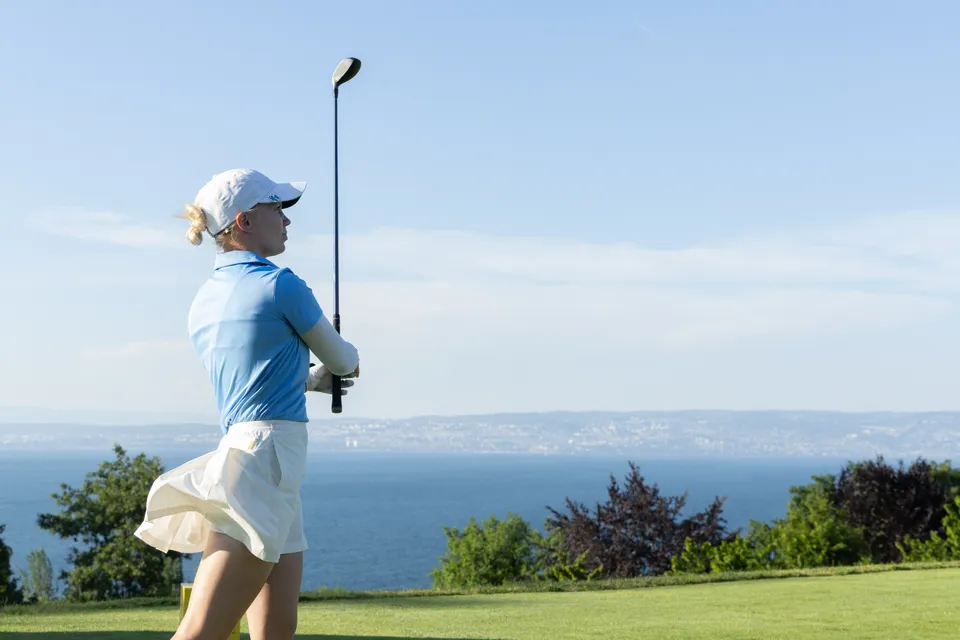
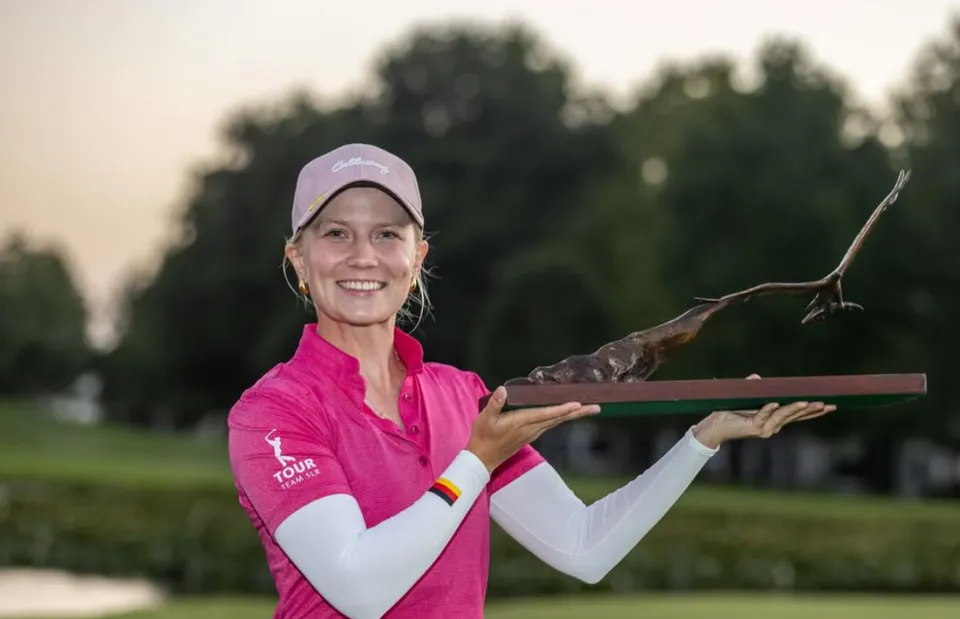
I am Celina Sattelkau, a professional golfer on the Ladies European Tour, co-host of the podcast Back 9 Stories, working as a TV host and pundit and active on Instagram.
My road, my statistics and my press review are openly available, so you can judge for yourself.
You are not looking for the best golf professional. You are looking for the golf professional who fits your brand, your audience, your goals and the kind of cooperation you want. That is the selection we walk through here, step by step, so that you know in the end which type of player suits your company and what to clarify before an enquiry.
Why the right golf professional is not automatically the best-known one
The temptation is to take the biggest available name. But sponsorship works through identification and credibility, not through positions alone. Sponsorship practice has a sober term for this, the fit: the better brand, product, audience and the athlete’s personality match, the stronger the partnership works. A big name who only carries your logo and never tells it remains ad space. A player whose story fits your brand becomes part of it.
1. Define your goal first
The goal comes first, the player second.
Before you compare, be clear about what the sponsorship is supposed to deliver, because every goal leads to a different ideal partner.
- Client loyaltyThen the player’s willingness to do events and clinics counts more than any ranking.
- Content and social mediaThen camera presence, storytelling and the quality of her channels count.
- Brand imageThen what she stands for counts, and whether her story carries your brand values.
- Regional presenceThen home market, home club and local media count.
- International visibilityThen tour schedule, TV presence and world ranking relevance count.
- Leads and networkThen hospitality formats and her willingness to play with your guests count.
Choosing without a goal means judging by fame alone, and that is how expensive mismatches happen. A good first conversation starts with your goal, not with the ranking.
2. Check brand fit and authenticity
This is the most important criterion and the reason the ranking alone does not decide. Ask concrete questions: Does the player’s personality match your brand? Do her values and appearance match what your company stands for? Does she fit the product and can she fill the intended role credibly? Does her content style match your communication?
The simplest test logic: What does the player stand for, and does your product stand for the same? An example from my own world: I am an EcoAthlete and Sustainable Golf Champion of the LET, sustainability is part of who I am. For a brand with sustainable products, whether apparel, nutrition or green finance, a fit is likely, because the partnership tells itself. For a brand whose core has nothing to do with it, another player may be the more credible choice. That is how to look at every candidate: family person or globetrotter, tech nerd or nature type, rooted at home or international. Somewhere in there lies the anchor for your brand, or it does not.
Authenticity is not a buzzword here but the criterion on which cooperations stand or fall. A partnership should never look like a player wearing a logo that has nothing to do with her. That is something I pay attention to myself in conversations with companies: I do not want to stand for every brand. What matters to me is that I can represent the partnership credibly, because only then it works for you too.
3. Check audience and community
Golf audiences are not automatically your audience. Clarify who you want to reach: B2B or B2C, regional or international, existing clients or new ones. Every player brings her own community beyond the tournament scene, rooted regionally, shaped thematically and at home on social channels. A player is therefore not just ad space but access to a specific audience and a specific environment. The question is not how big that environment is, but whether it is yours.
And this access can be put to work. A few examples of what an audience becomes once you use it: a client campaign where your best customers win a round or a clinic with the player. A joint prize draw across her channels and yours that gives both communities something. A social takeover where she runs your channel for a day. Signed products for your campaign, a meet and greet at your trade fair booth or a joint charity event for a cause that fits you both. The audience is the raw material, the activations turn it into effect.
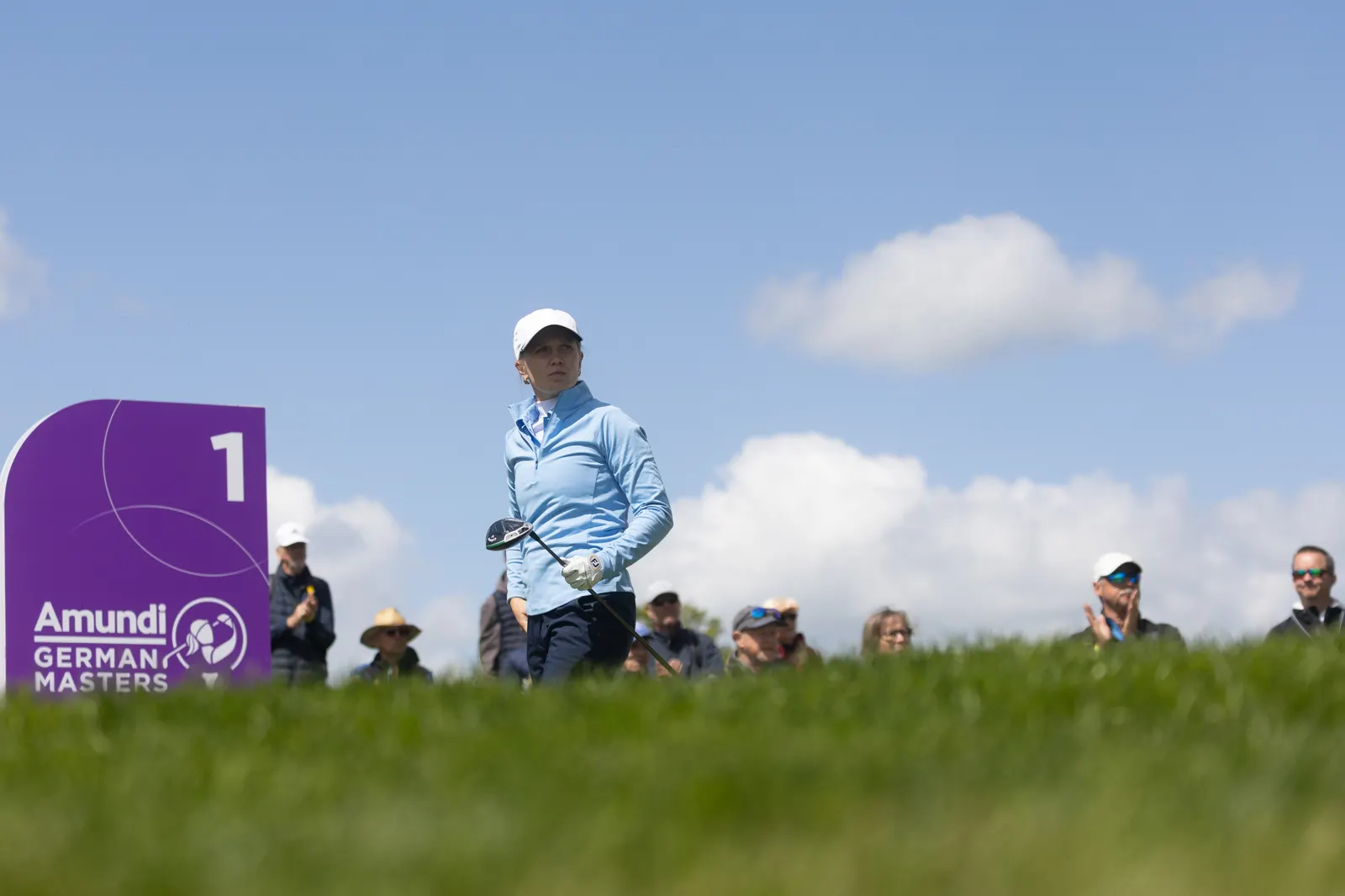
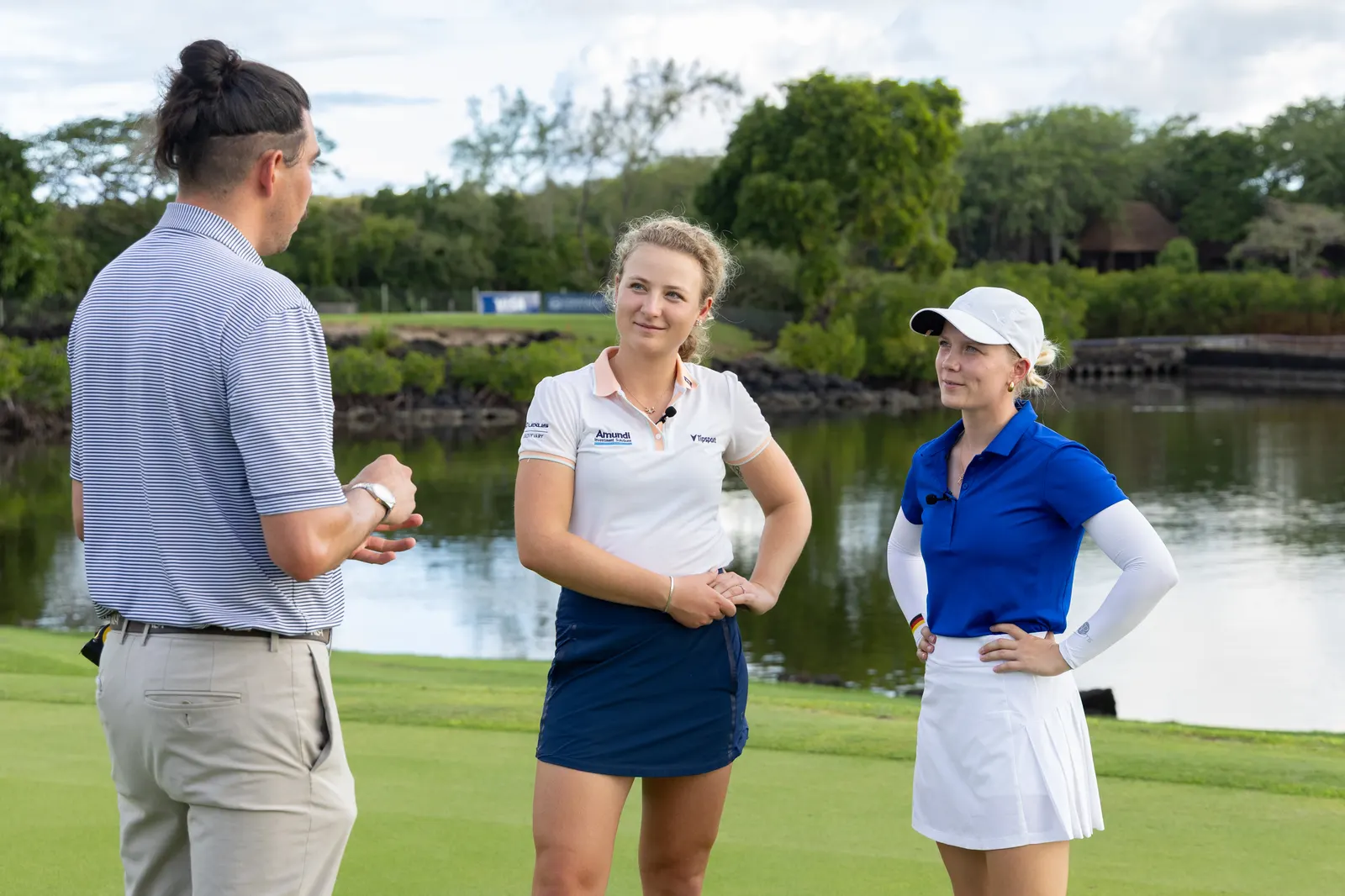
The geographic question deserves more than one sentence too. A regional business benefits most from a player’s home side: the tournament in her home country, the clinic at the home course, local press. A brand with European ambitions travels along through tournament weeks across the continent and becomes visible exactly where it wants to go. And whoever thinks internationally gets stages far beyond Europe through overseas events and the world ranking. A German LET player connects all three levels, which makes her the most interesting mix for mid-sized companies in particular.
4. Check sporting level and platform
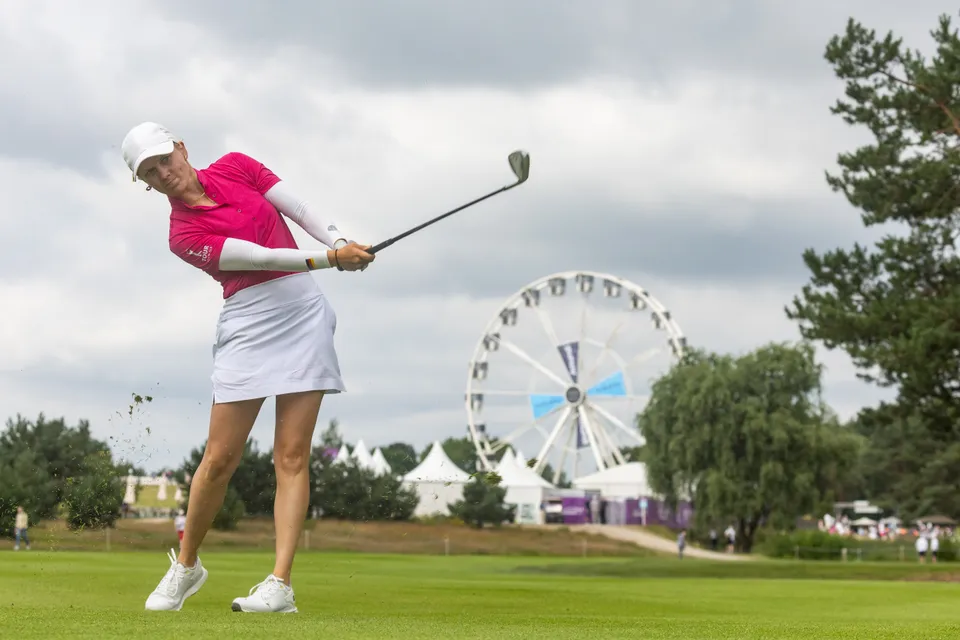
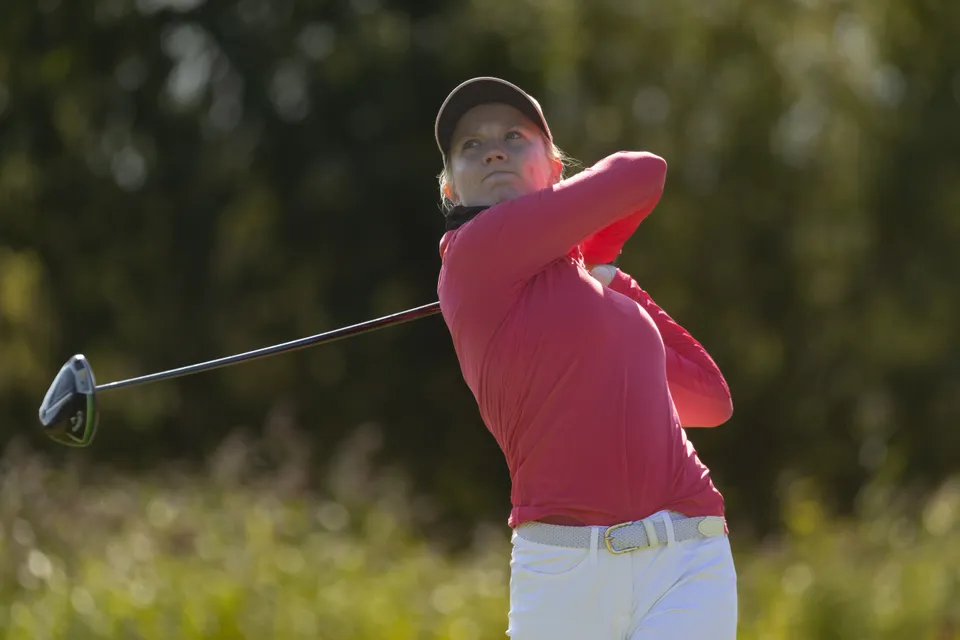
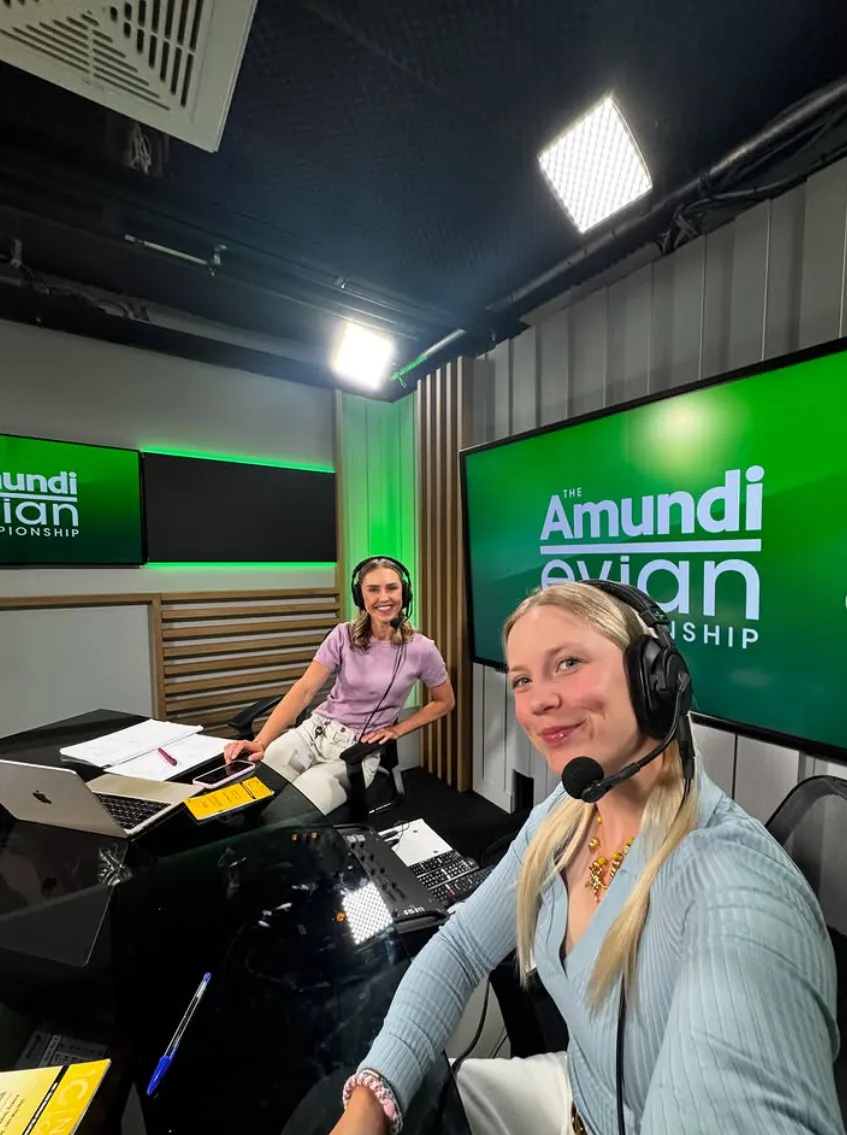
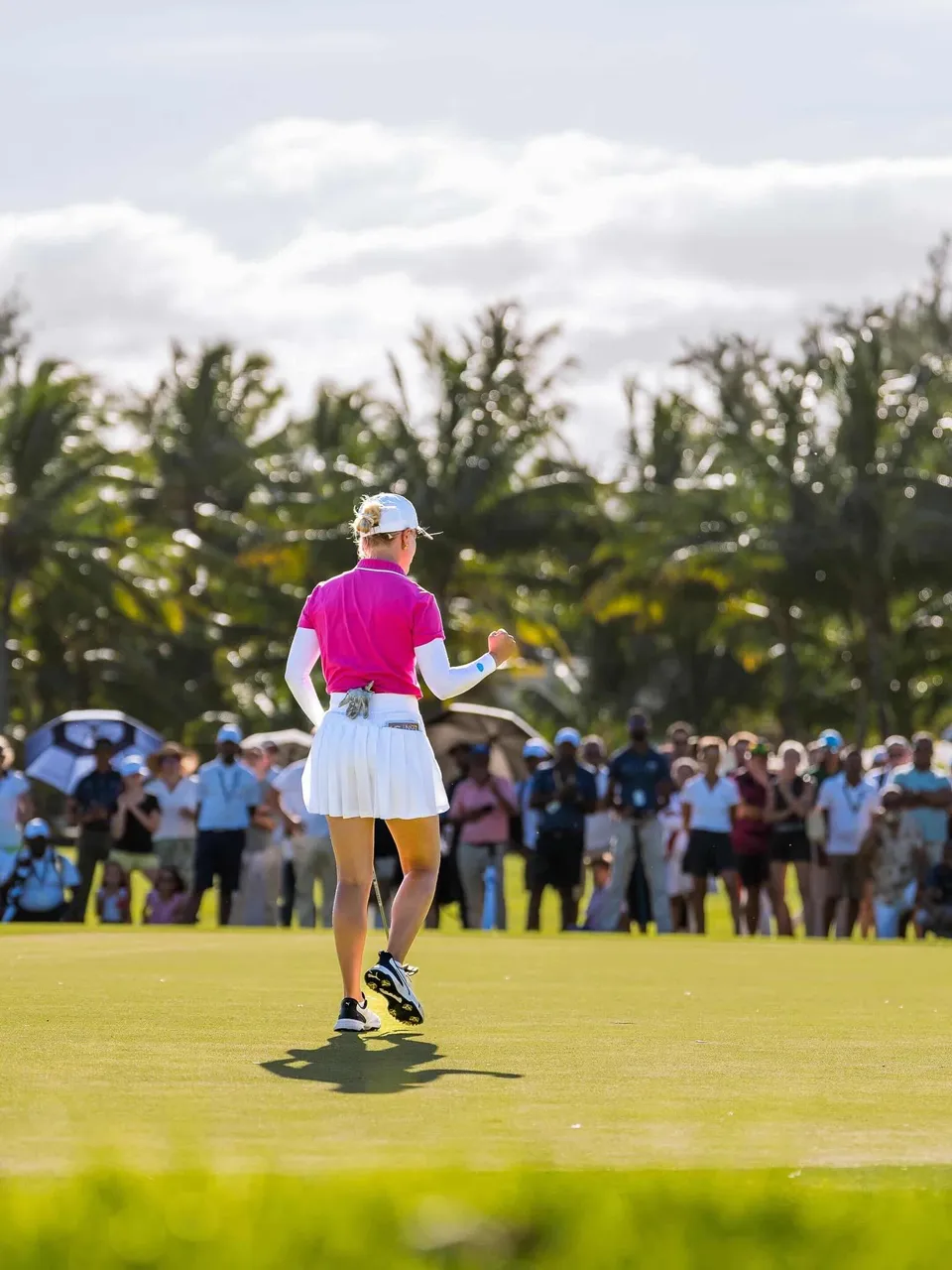
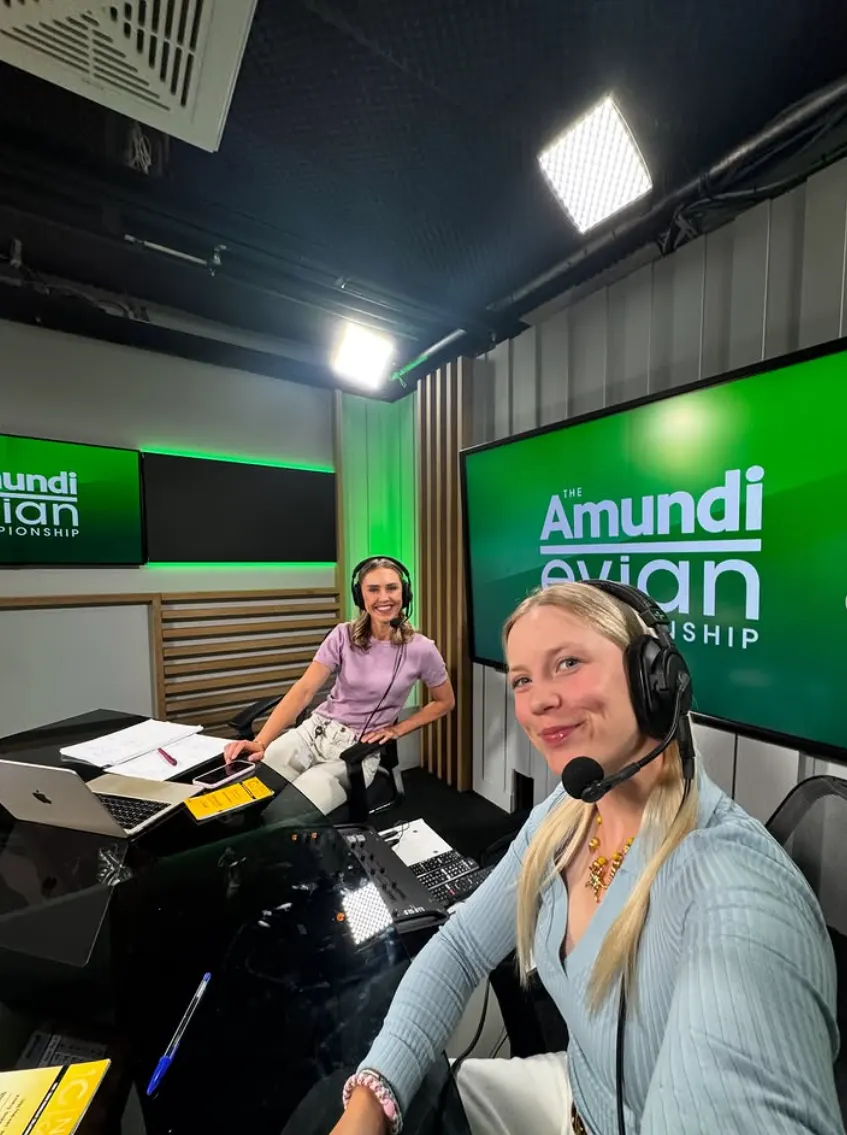
The sporting level defines the stage on which your brand becomes visible. The Ladies European Tour is a strong platform for that: the tournaments run on TV and in livestreams, the photos of the tournament weeks travel through press and golf media, and around them interviews, reports and social media moments appear across Europe. In my case the stages next to the course come on top, from the TV studio at the Evian Championship to the podcast Back 9 Stories, and a growing press review. Every one of these stages takes your brand along.
Important for the selection: the level defines platform and visibility, but not on its own the quality of the partnership. A rising player brings advantages an established name simply cannot offer. Your brand is part of her story from the start, and every good week, every win and every new stage also tells of you. You have more shared time for campaigns, content and events, because her calendar is not yet booked out by twenty partners. And with every season her reach grows, and with it the value of your partnership.
5. Think about how you want to activate the partnership
A logo alone is not a partnership. The value grows in everything you build together on top of it.
Activation means: a sponsorship does not create value by rights being bought, it creates value by rights being used. The logo on the cap is the start. The real value grows in everything you build on top: social media formats, photo and video productions, the ambassador role, client events, golf clinics, company visits, hosting your guests at tournaments, storytelling in your communication.
That is why it pays to look at what a player brings beyond golf, and to look with appreciation, because these are skills of their own that not every professional has developed. Does she tell stories that reach people? Is she at ease in front of camera and microphone? TV hosting experience and an own podcast format, in my case the TV studio work and Back 9 Stories, are a strong signal: this player cannot only carry your brand, she can tell it. Exactly that is what content series, testimonials and every shared stage live on. A player who serves these building blocks well and gladly is worth more to you than any ranking position.
6. Clarify the desired services and framework
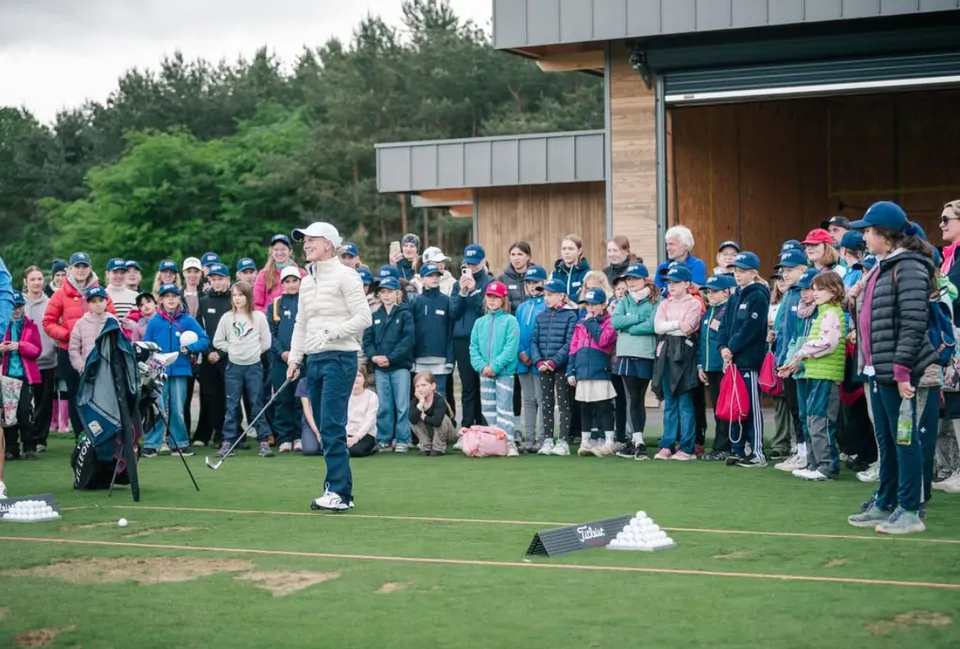
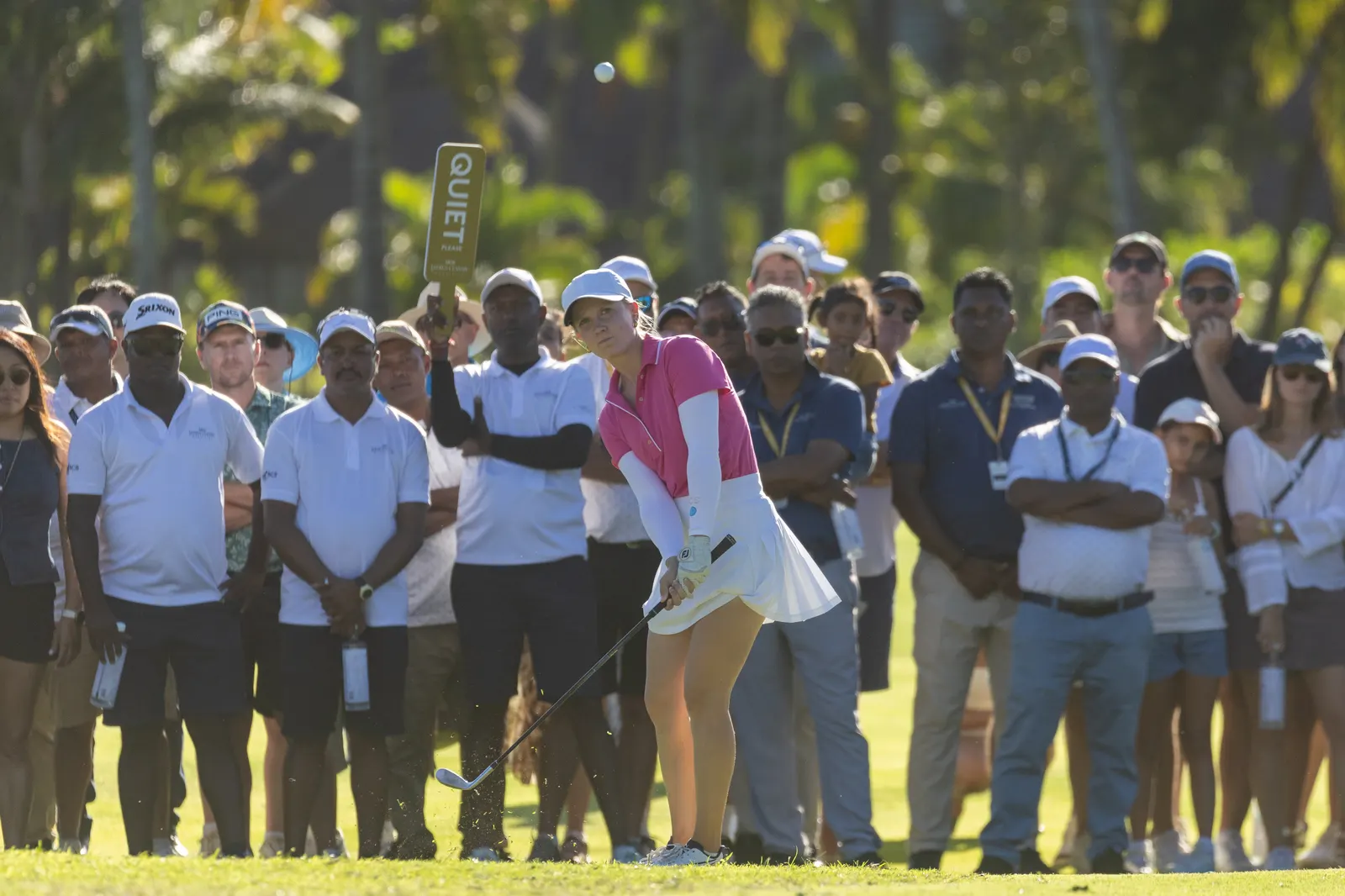
One building block deserves special attention because its benefit is so direct: events and clinics. An exclusive golf clinic binds your most important clients stronger than any ad, a corporate tournament with a professional becomes the talk of the company, invitations to tournaments are incentives your team remembers, and on the margins of such events the conversations happen that become business relationships. So ask specifically whether clinics, corporate tournaments and appearances can be part of the package, because not every player offers them.
The player checks the brand fit too, that belongs to the truth of this process. So it helps both sides if you say early and openly what you want: which services and events, how much content, which duration, whether exclusivity in your product category matters, which regions count and how much time the cooperation may take. When a company says very concretely in the first conversation what it wants to achieve, that helps me enormously. The more precisely the wishes are discussed beforehand, the better a package can be built that works for both sides.
7. Compare budget and long-term potential
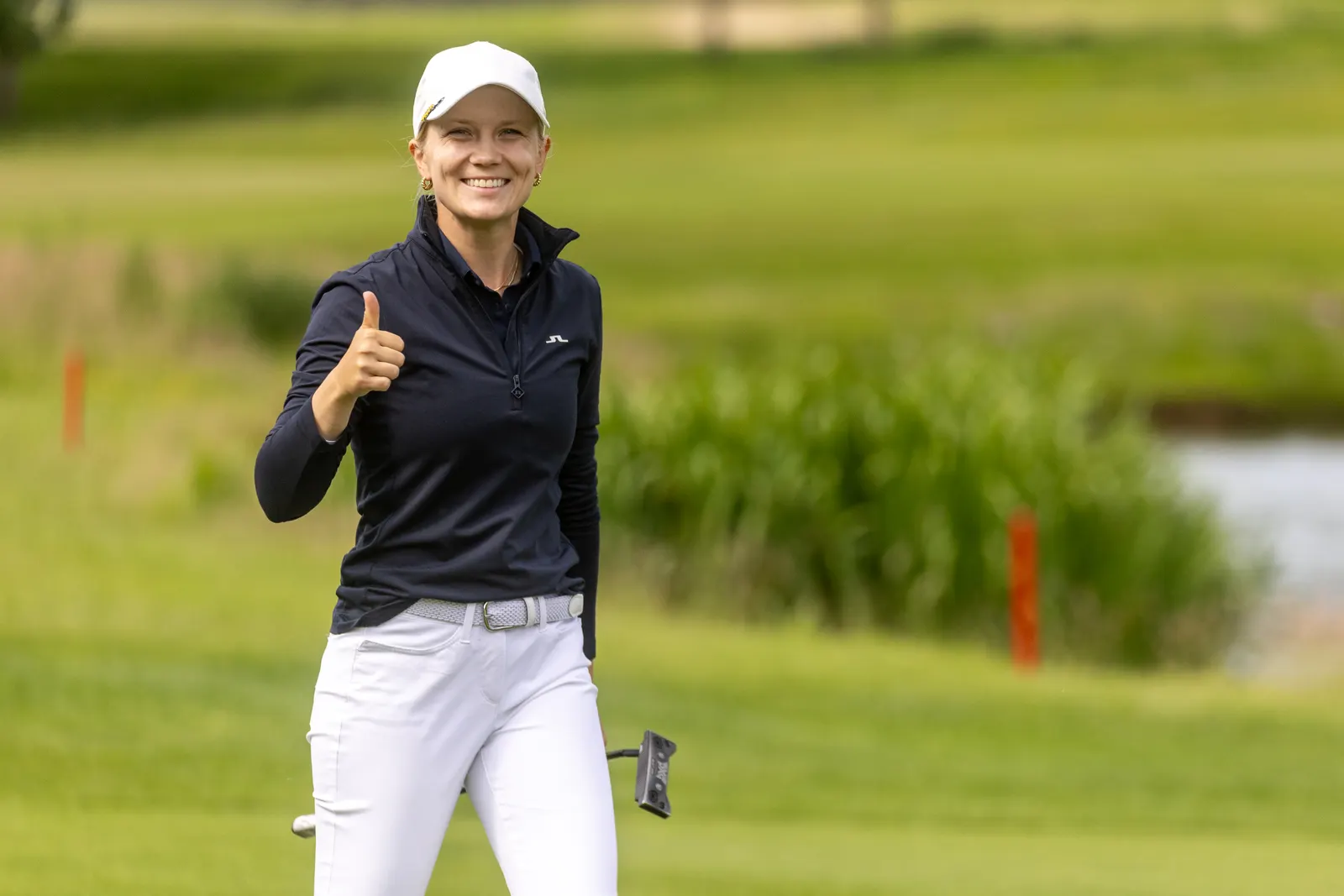
The value of a sponsorship grows from the interplay of sporting level, visibility, services, exclusivity, duration and scope of the partnership. An established name offers achieved visibility, a rising player the chance to build a partnership from the start and grow together over several seasons. Both can be right, depending on your goal. Short terms with an option to extend keep the entry manageable, long-term partnerships let the shared story grow. Concrete numbers belong in the conversation, the cost logic behind them is covered in How much does it cost to sponsor a professional golfer?
Before you contact a golf professional
Best clarify these points before the first enquiry:
- What is my goal?
- Which audience do I want to reach?
- Which region is relevant?
- Which role should the player take for my brand?
- Which services do I want?
- Which duration do I have in mind?
- Is exclusivity important?
- Which events or appearances are relevant?
- Which content services are desired?
- What budget is roughly available?
You do not need a finished sponsorship concept. These points help to find out quickly in the first conversation whether a partnership makes sense.
How does the first enquiry work?
Simpler than many think, and entirely without a finished concept. Write briefly who you are, what you do, why golf interests you and what you want to achieve with the partnership. Add the kind of cooperation you have in mind and the rough scale you foresee. In a personal conversation it then becomes clear whether brand fit, goals and desired services match. What happens after that, from getting to know each other to the contract, is covered in How to sponsor a professional golfer.
You reach me directly. Your enquiry goes through the contact form with the reason sponsoring straight to me and I answer personally.
Send a sponsoring enquiry to Celina What a partnership can include
Frequent questions
How do I find the right golf professional for my company?
Through fit, not through the ranking. Define your goal first, then check whether the player’s personality, values, audience and content style match your brand, and discuss early which services you want.
Should I sponsor a well-known golf professional or a rising talent?
Both can be right. The known name offers achieved visibility, the rising talent makes your brand part of her story: more shared time for campaigns and content, a partnership that gains value with every season, and the story of having been there from the start. Your goal and the desired kind of cooperation decide.
How important is brand fit in golf sponsorship?
Very important. A sponsorship works particularly well when brand, audience, the player’s personality and the kind of partnership match. A big name alone does not guarantee a good cooperation.
Does the golf professional have to fit my audience?
Yes. The player is your access to a specific audience and environment. If that environment does not match your customers, even the best visibility fades.
What should I know before a sponsoring enquiry?
Your goal, your audience, the intended role of the player, the most important services and the rough budget scale. You do not need a finished concept.
Which services can a golf professional provide for a company?
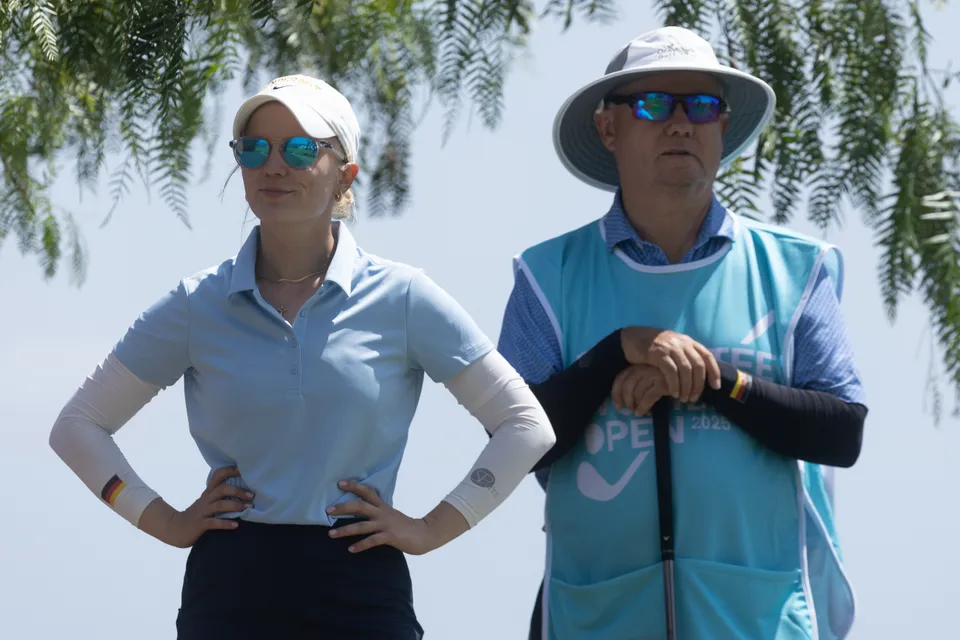
Ad space on bag, cap and caddie bib, social media and content formats, the ambassador role, clinics and events for clients and employees, and appearances in your corporate communication.
How much budget do I need for golf sponsorship?
That depends on the package, from an entry with a single space to a season partnership. The cost logic is explained in How much does it cost to sponsor a professional golfer?
How does a sponsoring enquiry work?
A short message with goals and ideas, then a first conversation, then a package proposal. With me it goes directly through the contact form.
Can I start with a small partnership?
Yes. A single ad space, one event or one clinic are realistic entries from which partnerships can grow.
How long should a sponsorship partnership run?
One season with an option to extend is common. Brand effect and client loyalty need time, which is why very short terms rarely make sense.
What is the difference between sponsorship and a brand partnership?
Sponsorship at its core is ad space for budget, a brand partnership goes beyond it: ambassador role, content, events and a shared story. The forms are explained in How to sponsor a professional golfer.
The right golf professional is the one who fits your brand, your audience, your goals and the kind of cooperation you want. And the earlier you clarify your wishes, the better the package becomes.
Want to talk about a partnership?
The earlier we talk about your goals and wishes, the better we can judge whether we fit, and the more useful the package becomes. This is what a partnership with me looks like, my road is under About me and your enquiry goes directly through the contact form. I read it myself.