How do you become a golf professional? The road from the range to the Ladies European Tour
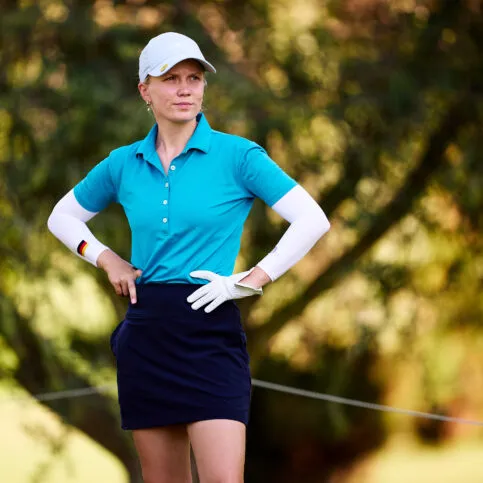
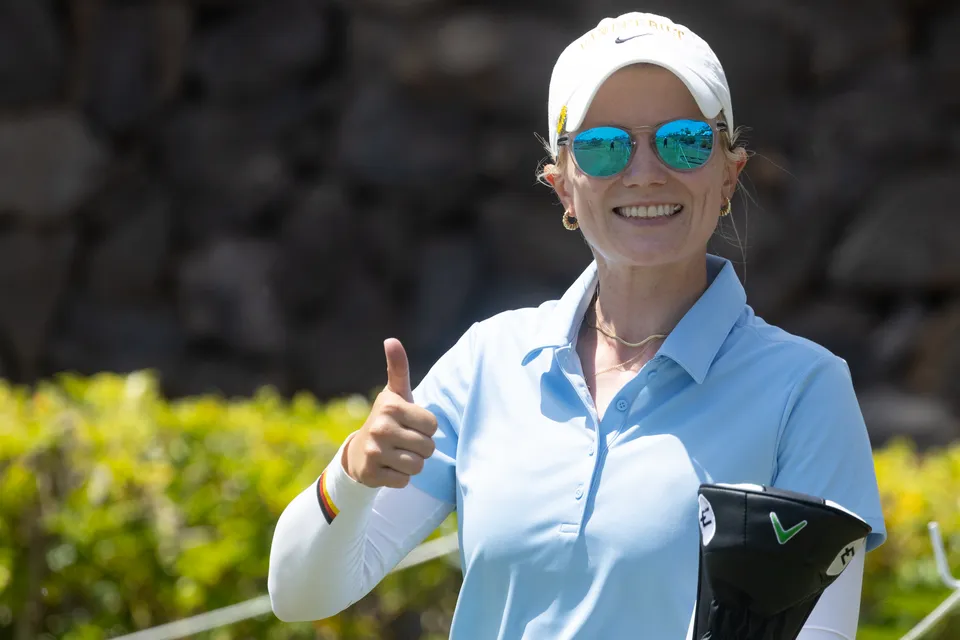
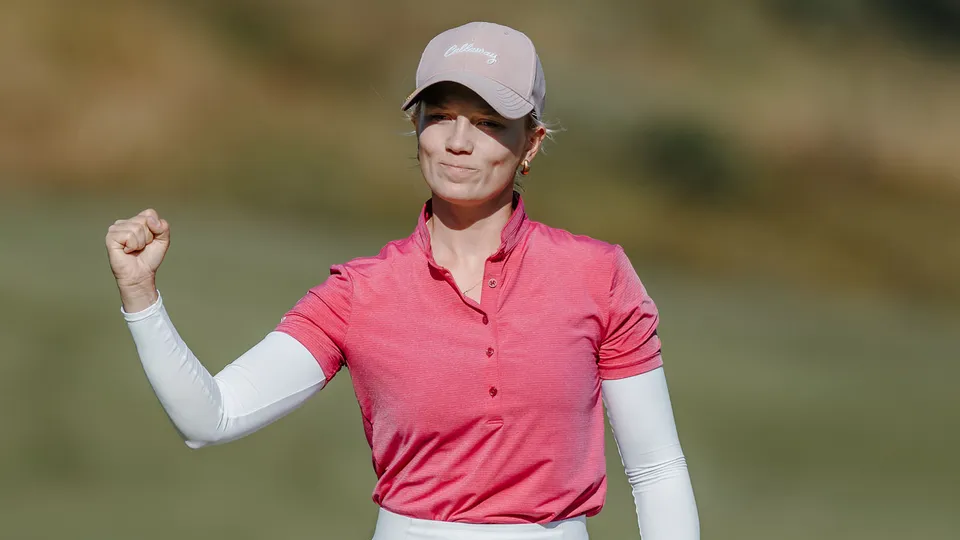
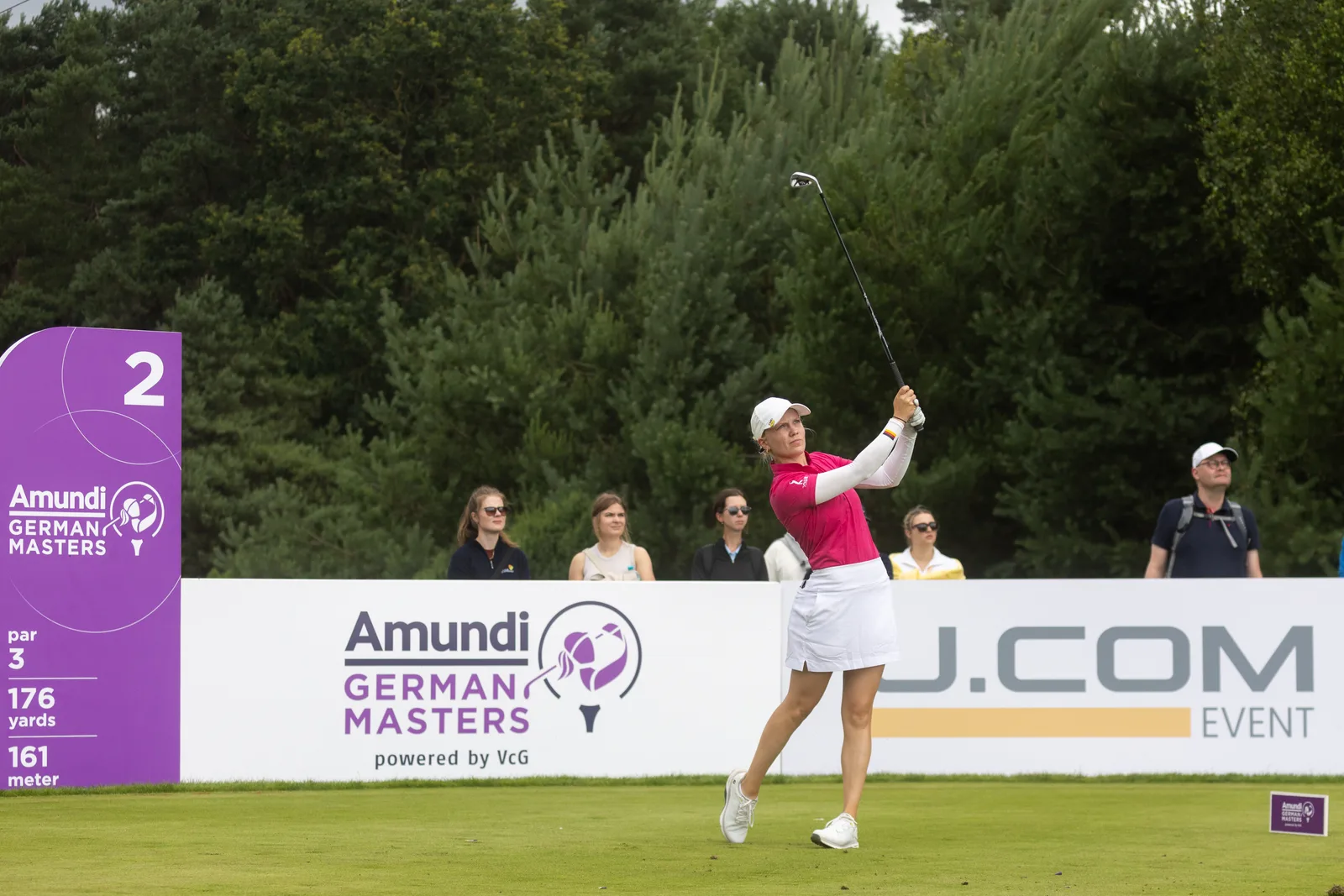
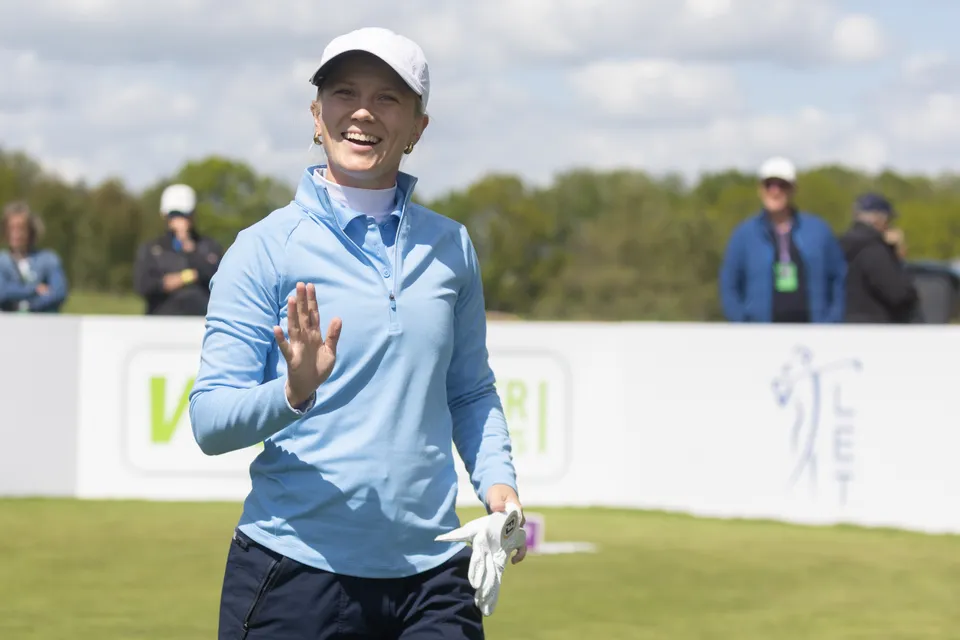
I am Celina Sattelkau, a professional golfer on the Ladies European Tour. In 2026 I won two events on the Sunshine Ladies Tour, before that came five years of college golf at Vanderbilt University and two attempts at Qualifying School. In one-on-one sessions I work with players who have exactly this road ahead of them.
My road, my statistics and my press coverage are open for you to see, so you can form your own picture.
“How do you actually become a golf professional?” It is the question I get asked most, by parents behind the ropes, by girls at clinics and by message on Instagram. So here is the answer in the detail I would have wanted at 14. Along my own road, with the stages, the handicap you need at each step and a self-test at the end.
In short
You formally become a professional with a signature. The playing rights that make the title worth anything come through the Qualifying School of your tour. Before that lie years at your club, in national squads and in the world amateur ranking. As an amateur you need a handicap index of 2.0 or better to enter Ladies European Tour Qualifying School, and on tour almost everyone plays off a plus handicap. College golf in the US is the proven detour with a safety net.
Two jobs are called golf professional
Before we start, a distinction many guides skip. In Germany, “golf professional” describes two different jobs.
- Playing professionalPlays tournaments for prize money on professional tours such as the Ladies European Tour, the LET Access Series or the Sunshine Ladies Tour. The PGA of Germany accepts you as a playing professional from handicap 0. This guide is about that road.
- Teaching professionalCoaches as a golf instructor at a club. The PGA of Germany training starts with the pre-course from age 16 and handicap 18.4, and you need to reach 6.0 along the way. A career with a future, but a different road.
If you searched for “how to become a golf pro” and meant the teaching career, the PGA of Germany is your address. If you dream of earning your money with your score, read on.
The road to the tour in eight stages
This is the road almost every player on tour has travelled in some form. The order is typical, the pace is different for everyone.
- 1Club and junior trainingPlaying under tournament conditions, club events, junior league.
- 2Bringing the handicap downFrom 54 into single figures, later towards zero.
- 3Regional squad and national teamProfessional training, fitness, international starts.
- 4World amateur rankingResults at national and international amateur events.
- 5College or straight to the prosThe fork in the road at 18. Both lead to the tour, on very different paths.
- 6Professional status and Q-SchoolThe signature and the bottleneck that hands out playing rights.
- 7The first seasonTravel, caddie, sponsors, scheduling. You become a business owner.
- 8The team behind youCoach, physio, mental training, family. Nobody survives the tour without a team.
Stage 1: It starts at the club
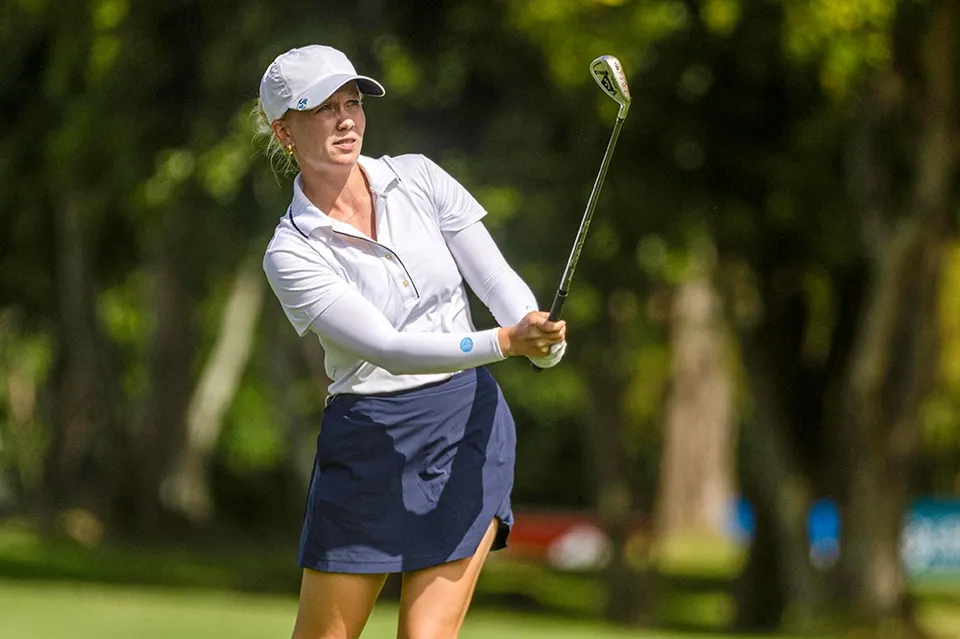
I started at Golf Club St. Leon-Rot when I was ten. What counts in the first years is not the perfect swing but playing time. Junior training, club events, league matches, as often as possible. Playing regularly under tournament conditions teaches you what the range cannot. Living with the score when the putt does not drop. Keeping a clear head on the 18th green.

Find a coach in this phase who sees you as a player, not as a swing project. And play as many tournaments as you can. Every round with a scorecard takes you further than three hours of hitting balls.
Stage 2: The handicap is your ticket
The handicap is the currency you pay with in amateur golf. It decides which tournaments you get into, whether squads and college coaches notice you and, one day, whether you are allowed to tee it up at Qualifying School. These are the steps where something changes.
- 54handicapThe start. Your first handicap after the course permit. From here every round counts.
- 18.4handicapEntry to the PGA training. From this value you can start the pre-course to teaching professional at 16.
- 6.0handicapPerformance level. The PGA training requires this value along the way, regional squads and federation events play in this region and below.
- 2.0handicapThe Q-School line. As an amateur you most recently needed a handicap index of 2.0 or better to enter Ladies European Tour Qualifying School.
- 0handicapPlaying professional. From handicap 0 the PGA of Germany accepts you as a playing professional.
- +3and betterTour level. On the LET almost everyone plays off a plus handicap. For them a par-72 course is one where 69 is the normal round.
The numbers are a guide, not a guarantee. A handicap of 2.0 says you shoot around par on good days. On tour you have to do that on bad days.
Stage 3: Squads and the federation
In Germany the next step runs through the federations. First the regional squad, later the selection of the German Golf Federation. There, training, scheduling and fitness become professional, and for the first time you measure yourself against the best of your age group.
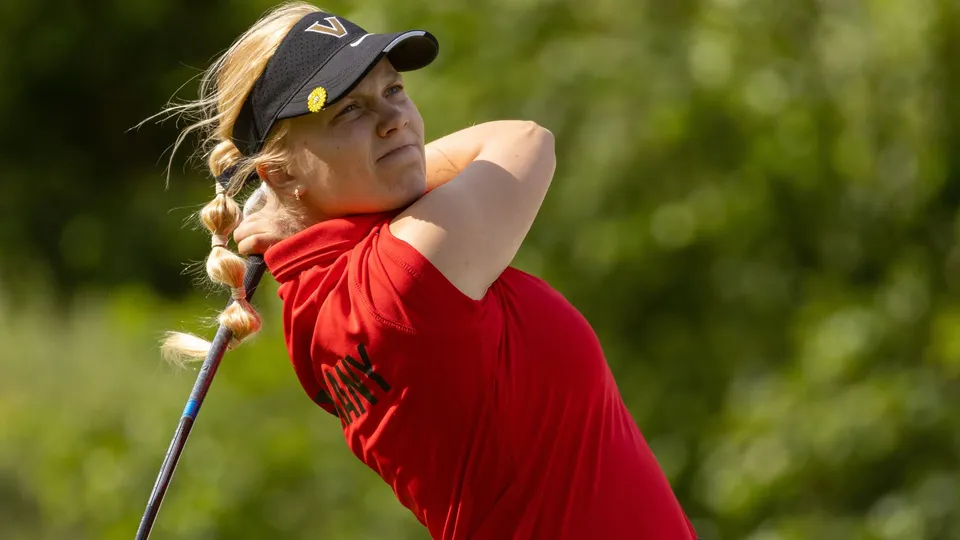
The squad is more than training. It is where you learn to handle pressure, travel and expectations. And it is where college coaches and, later, sponsors see you for the first time.
Stage 4: The world amateur ranking is your currency
In amateur golf the World Amateur Golf Ranking counts. Good results at national and international amateur events improve your position, and that opens doors. Invitations to bigger tournaments, visibility with college coaches, later playing rights.
My win at the English Girls’ Open Amateur in 2018 was such a door opener. I was the first winner not from England and at times ranked among the best 55 amateurs in the world. Without that ranking a college like Vanderbilt would never have called me.
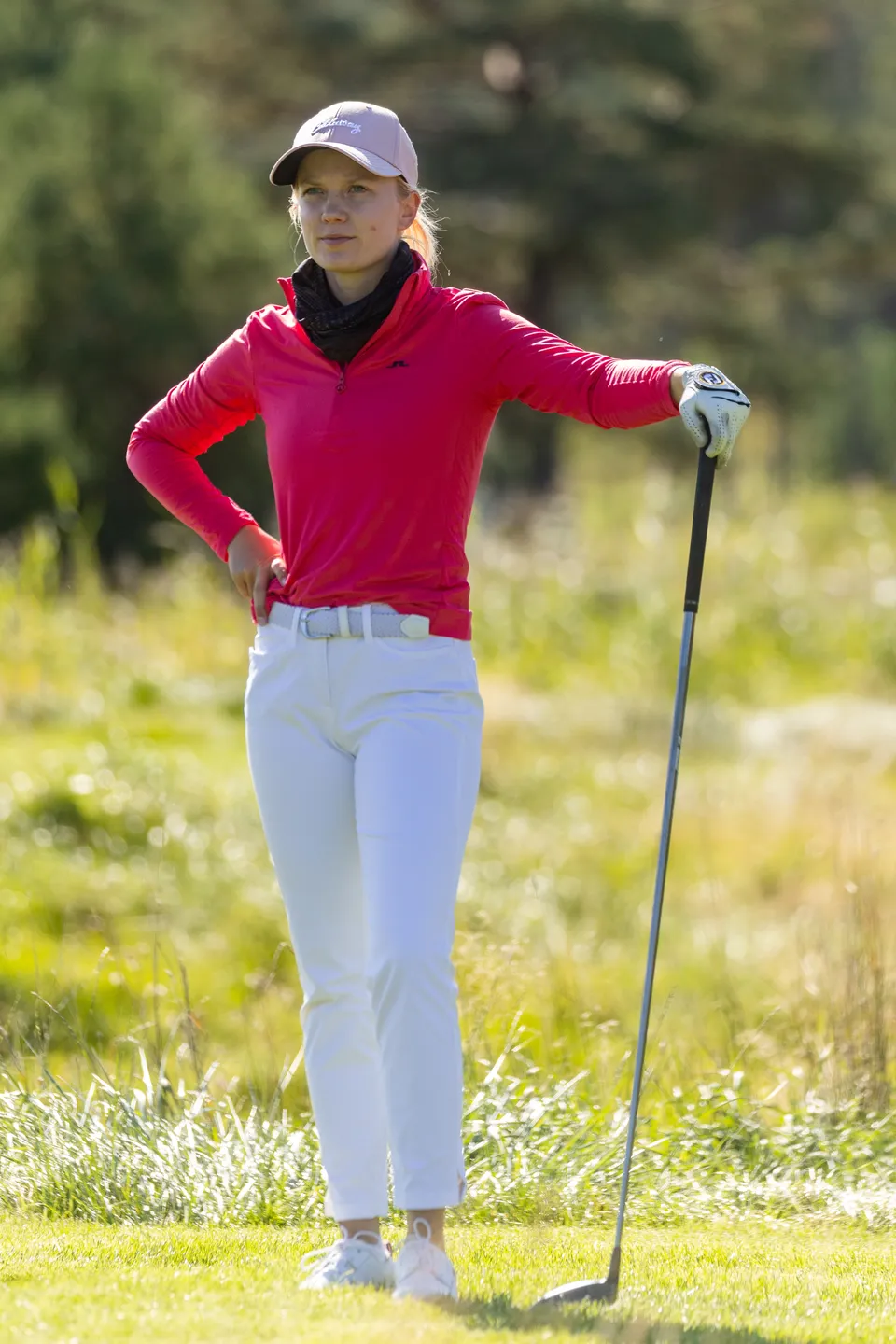
Coaching
Where are you on this road right now
In a one-on-one video session we look at your situation. Handicap, tournament schedule, next goals. You go back to the course with concrete next steps.
- 30 minutes · 77 €
- 60 minutes · 114 €
- Video call
Stage 5: College or straight to the pros?
At 18 comes the fork in the road. For me the answer was clear, five years at Vanderbilt University. College golf in the US means tournaments at the highest level, training like a professional set-up and an education alongside. I completed my bachelor’s and a master’s in finance there. If golf stops carrying me one day, the degree will.
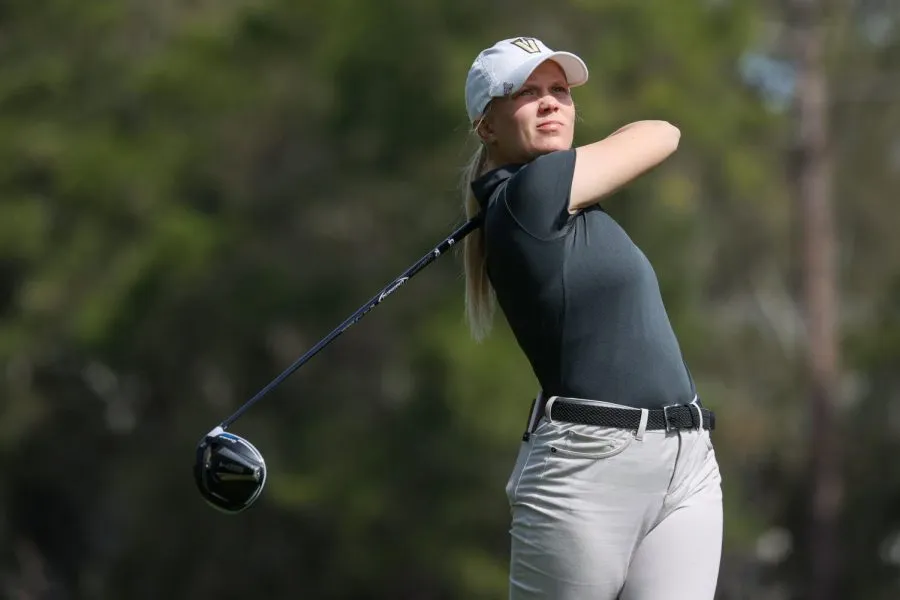
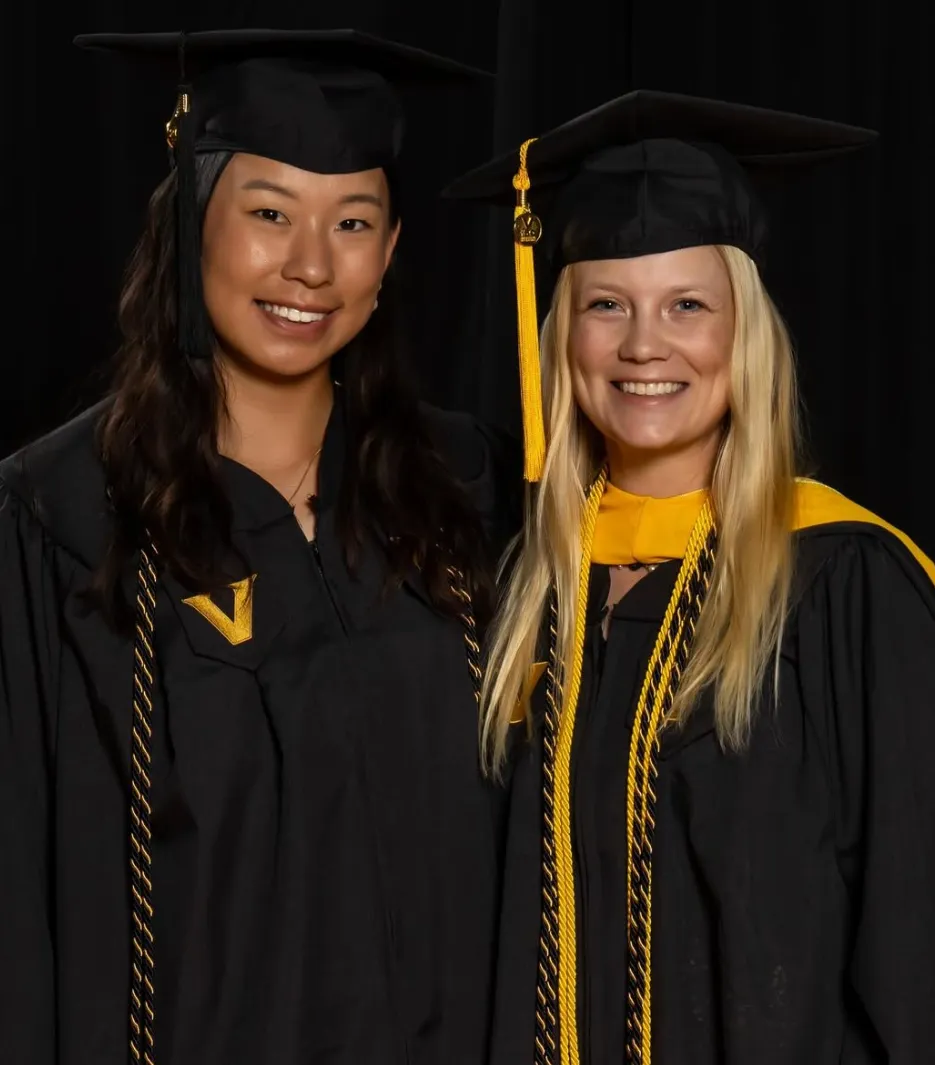
It also works without college. Some players turn professional straight after their junior years. That saves time but gives up the safety net. This is how the two roads compare.
| College road | Straight to the pros | |
|---|---|---|
| Time to the tour | Four to five years of study, then Q-School | Q-School possible straight after the junior years |
| Tournament level | Weekly college events against the best amateurs in the world | Professional events immediately, often on smaller tours at your own risk |
| Costs | A scholarship often covers tuition, training and travel | Entry fees, travel and coaching are on you |
| Safety net | A degree that carries you without golf | None, unless you build one alongside |
| Age at the first tour card | Usually 22 to 24 | Usually 18 to 20 |
| Who it suits | Anyone who wants time to become physically and mentally ready for the tour | The few who already play at tour level at 18 and have an environment that carries it |
How the college system works, which scholarships exist and how recruiting runs, I explain in the guide to college golf in the US.
Stage 6: Professional status and Q-School
You formally turn professional with a signature. You declare that from now on you play for prize money, and you lose your amateur status. That does not give you any playing rights yet. For those there is the Ladies European Tour Qualifying School, a multi-stage elimination tournament at the end of the season.
This is how it runs. First the 54-hole pre-qualifier, most recently in Morocco or Thailand. Those who advance play the 90-hole final qualifier in Marrakech. Depending on your finish you receive full or limited playing rights on the LET or on its second tier, the LET Access Series. As an amateur you most recently needed a handicap index of 2.0 or better to enter, professionals enter through their status. The exact conditions, fees and dates are published by the tour every year.
I turned professional in 2024, one month before Q-School. The first attempt narrowly missed the full card, a year later I earned it. That is part of the answer to the question in the headline. The road is rarely straight.
Stage 7: The first season as a business owner
With the tour card, life as a business owner begins. Travel planning, caddie, coaching, sponsors, entry fees, you organise and pay for all of it yourself before you see the first euro of prize money.
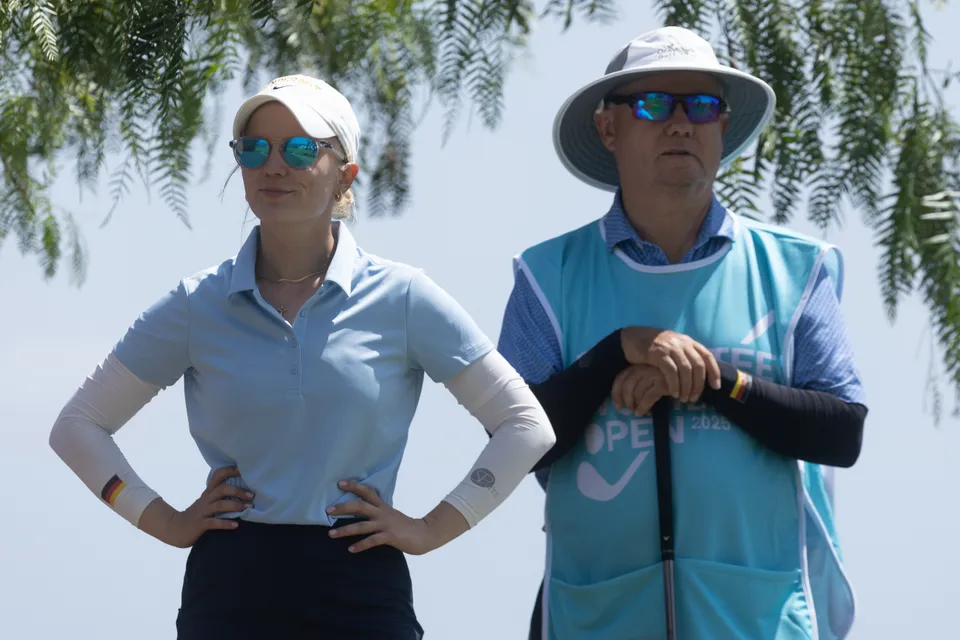
Flights, hotels, caddie, coaching and entry fees add up over a season to an amount hardly any player can carry alone in the first years. And because hardly any player survives the first years without partners, this site also has its own section on sponsorship.
Stage 8: The team behind you
Golf looks like an individual sport. The road to the top is not. Coach, physio, mental training, family, friends who call you after a missed cut. My most important advice at the end is therefore to find people early who believe in you and give you clear feedback.
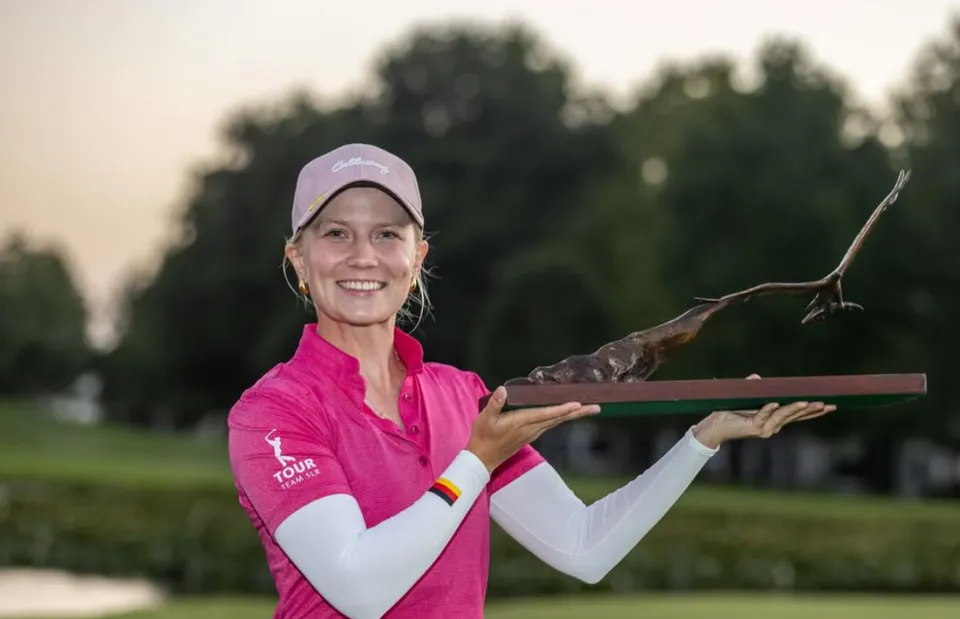
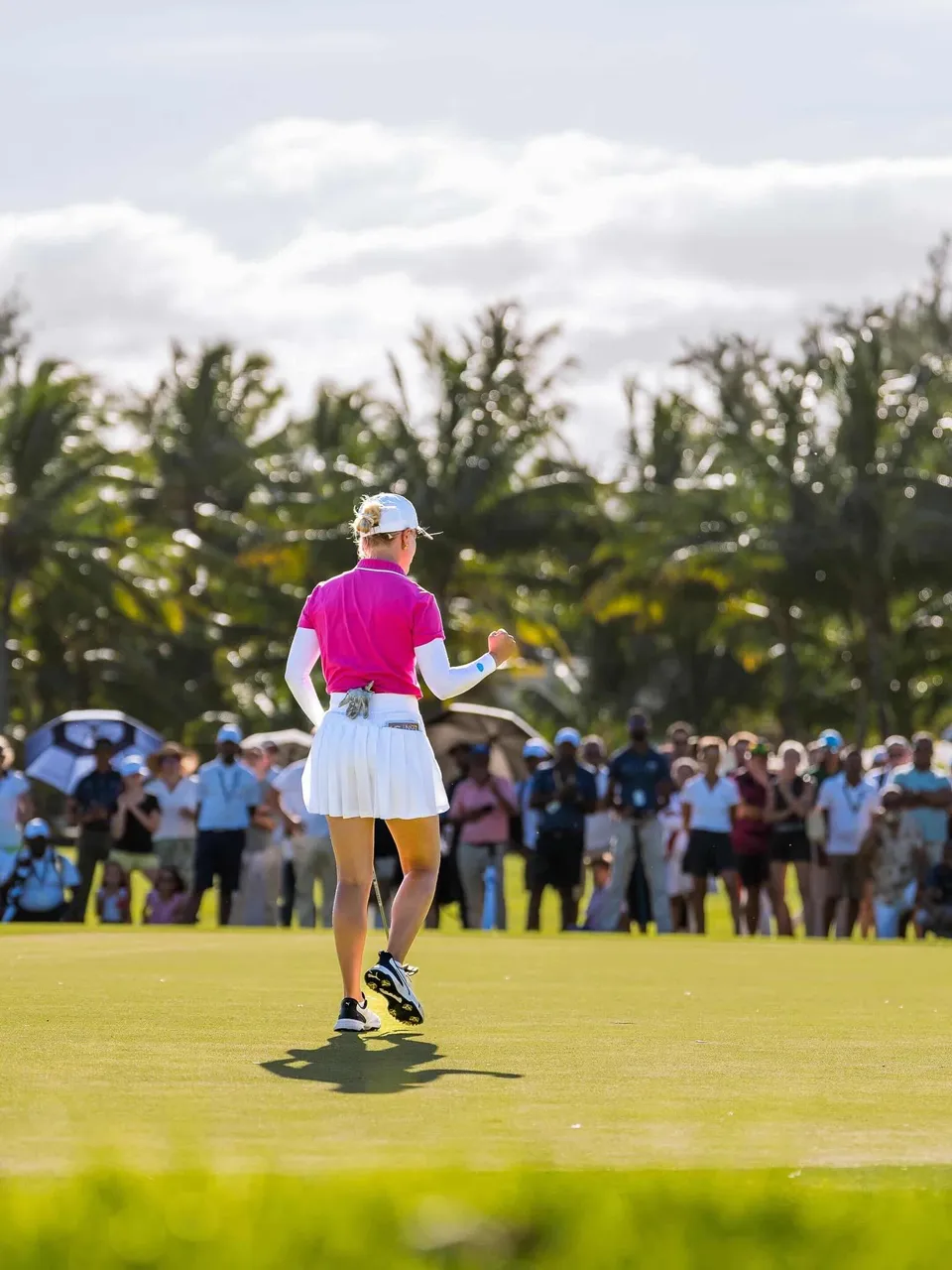
At the SuperSport Ladies Challenge in 2026 I won after 54 holes and six extra holes in a playoff. In moments like that the swing does not decide. What decides is whether you have a routine that carries you and whether you have learned to work with the pressure instead of playing against it. Exactly that can be trained, long before you are on tour.
Coaching
Mental strength, course management, tournament preparation
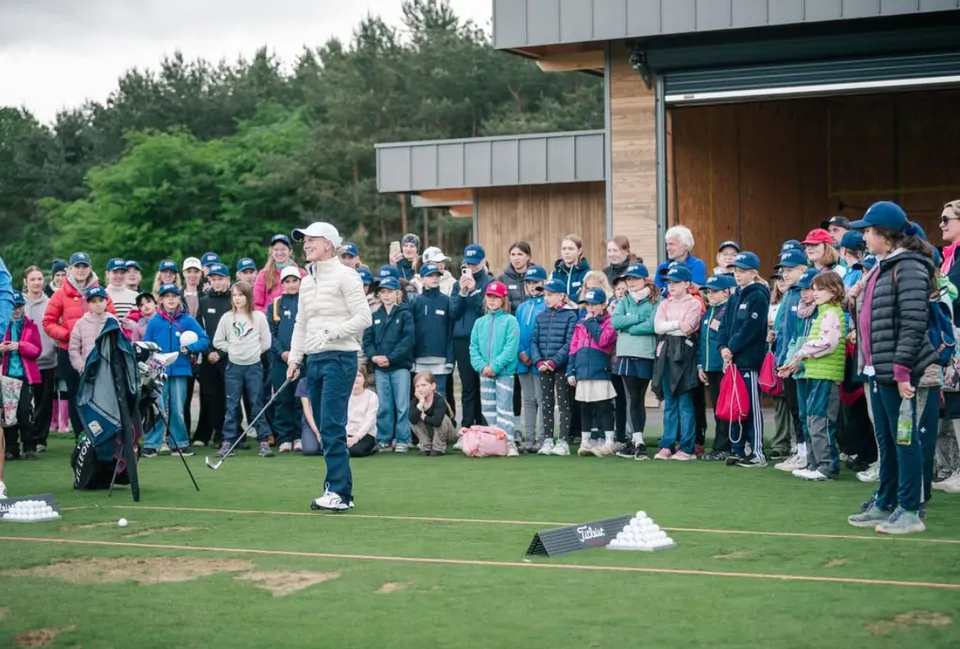
These are the topics that make the difference on the road to the tour and that hardly any junior programme covers. In the one-on-one session we work directly on your next tournament.
- Course management
- Mental strength
- Routines
- US college golf
Self-test: Are you ready for the next step?
Tick everything that applies to you. The ticks stay on your device, nothing is transmitted.
Fewer than four ticks? Then now is the time for fundamentals, playing time and a coach who plans with you. Four to six? You are on your way, now structure and tournament routine count. Seven or eight? Then let us talk about the next twelve months, in a session or through the form below.
And if you are only just starting out, you are still in the right place. Every player on tour once stood on the range with a handicap of 54 asking herself the same question you are asking now.
Frequently asked questions
What handicap do I need to become a golf professional?
There is no handicap limit for signing your professional declaration. What matters are the entry rules. Amateurs most recently needed a handicap index of 2.0 or better to enter LET Qualifying School, and the PGA of Germany accepts playing professionals from handicap 0. To stay on tour you will typically play off a plus handicap.
How long does it take to become a golf professional?
Think in years, not months. I started at my club at ten and turned professional at 23. In between came junior training, national squads, the world amateur ranking and five years of college golf. For most players on tour, ten or more years lie between their first round and their first tour card.
What is the Ladies European Tour Qualifying School?
Qualifying School is the end-of-season tournament that decides the playing rights for the following year. It runs in two stages, a 54-hole pre-qualifier and a 90-hole final qualifier in Marrakech. Depending on where you finish you receive playing rights on the LET or on its second tier, the LET Access Series.
Do I have to go to college to become a golf professional?
No. Some players turn professional straight after their junior years. College golf in the US gives you high-level tournaments, training like a professional set-up and a degree as a safety net. For me, five years at Vanderbilt University were the best decision of my road.
Can I still become a golf professional at 30?
The PGA teaching professional route is open at any age, you need a handicap of 18.4 or better to start the training. The road onto a professional tour at 30 is the big exception, because you compete against players who have trained inside the performance system since childhood. It is not impossible, but you should know the effort before you build your life around it.
How much does the road to becoming a golf professional cost?
During the amateur years you pay for membership, training, tournament travel and equipment, and the federation covers part of it once you are in a squad. At college a scholarship often carries the costs. It gets expensive with the tour card, because you pre-finance travel, caddie, coaching and entry fees yourself. What that looks like for me in detail is something we discuss in coaching, if your road heads that way.
How can I work with you on my road?
In a one-on-one video session. You bring your topic, for example your next tournament season, course management, mental strength or the road to a US college, and we work on it directly. You book sessions on my coaching page, 30 minutes cost 77 euros, 60 minutes 114 euros.